Kimi and DeepSeek: The Brand Visibility Channels Nobody Watches
Kimi owns knowledge workers; DeepSeek owns developers and technical decision-makers. Two high-value audiences are making buying decisions through them — and almost no brand is measuring it.
When people think about Chinese AI visibility, they think Doubao first — it has the biggest user base. But for B2B and high-ticket brands, Kimi and DeepSeek may matter more, because their audiences are entirely different.
Two models, two high-value buyer groups
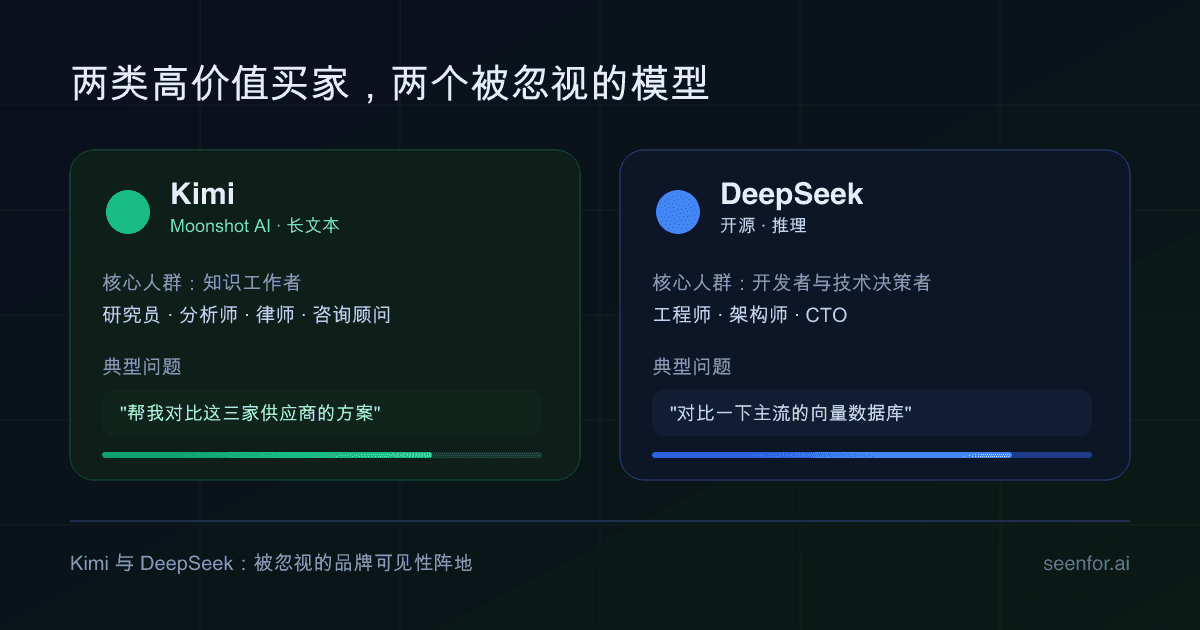
Kimi (Moonshot AI) built its reputation on long-context reading. Its core users are knowledge workers: researchers, analysts, lawyers, consultants. They use Kimi to digest reports, run due diligence and compare proposals — "compare these three vendors' offerings" is a typical prompt. How Kimi presents your brand directly shapes the shortlists of professional buyers.
DeepSeek won developers and technical decision-makers with open-source models and strong reasoning. Tooling-selection questions are constant: "What are the open-source observability options?" "Compare the mainstream vector databases." For developer tools, cloud services and technical SaaS, DeepSeek's recommendation slot is the top of the procurement funnel.
In short: Doubao shapes consumer decisions, Kimi shapes professional-services and solution selection, DeepSeek shapes tech-stack selection. Only together do they form the full map of Chinese AI visibility.
They trust different sources
Our daily scans keep surfacing the same pattern: the same question produces different brand lists on each model — because each trusts a different content pool.
- Kimi favors long documents: white papers, in-depth reviews and industry reports find their way into its answers.
- DeepSeek leans on technical-community corpora: GitHub, engineering blogs and developer forums carry heavy weight.
- Both are influenced by Zhihu and other Chinese UGC platforms, but cite them differently.
One content strategy can't serve all three models. GitHub READMEs and engineering blogs move DeepSeek; deep industry content moves Kimi. Measure first, then invest — it beats blanketing content everywhere.
A practical checklist
- Baseline per model: run the same buyer questions on Kimi, DeepSeek (and Doubao) separately; record mention rate, ranking and framing differences.
- Fill source gaps by model: weak on DeepSeek → build technical-community presence; weak on Kimi → publish deep long-form content.
- Watch hallucinations: technical specs, pricing tiers, open-source licenses — the details models get wrong most, and the ones that hurt most with professional buyers.
- Scan daily, not quarterly: model versions ship fast; last month's answers say nothing about this month.
Want to know how Kimi and DeepSeek answer questions about you today? SeenForAI's free plan includes both models (plus Doubao) with daily scans. Or run the free AI Visibility Checker for an instant snapshot.
High-value buyers have already moved their questions to Kimi and DeepSeek. Your brand's attention should follow.
Further reading
More Posts
Query Fanouts: The Hidden Layer of AI Search That Decides Your Visibility
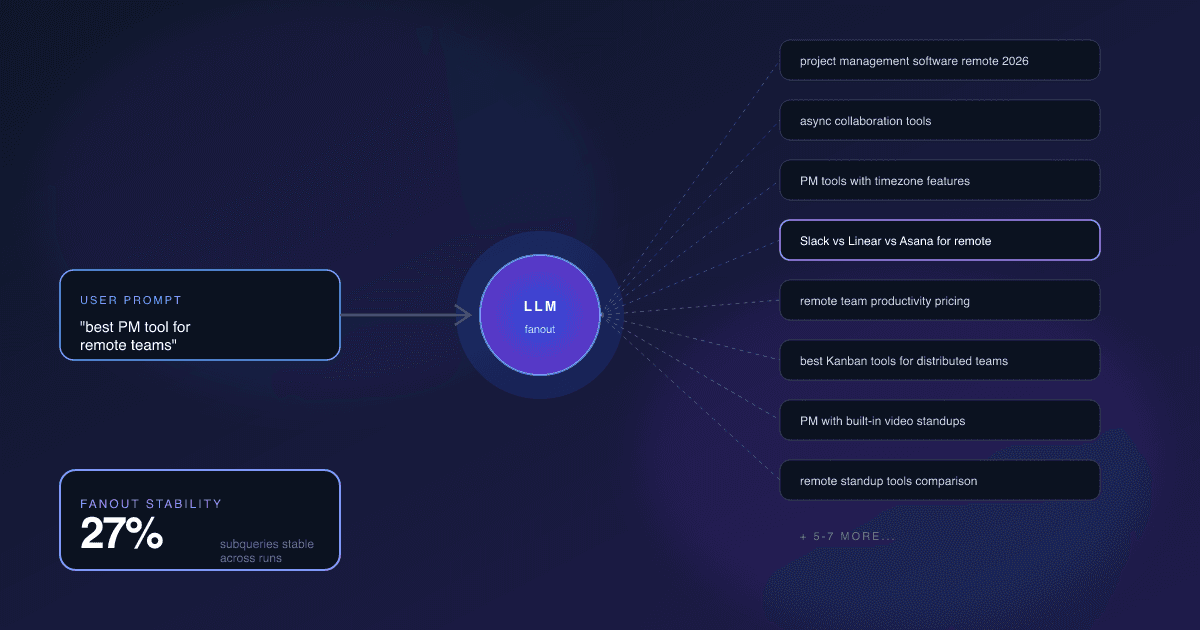
When a user asks ChatGPT or Gemini one question, the model silently runs 8-15 sub-queries behind the scenes. Whether your brand appears in those hidden searches is what really determines your AI visibility.

How to Get Doubao to Recommend Your Brand: A GEO Playbook
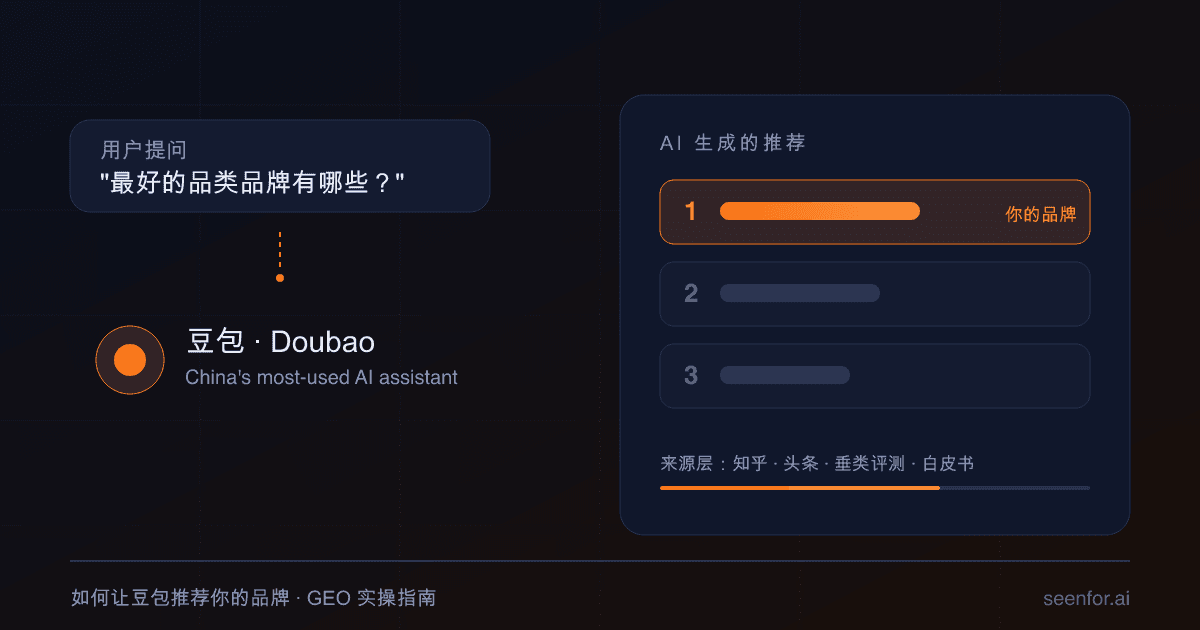
Doubao is China's most-used AI assistant. Here's how it picks the brands it recommends, which sources it trusts, and five actions brands can take.
What Is GEO (Generative Engine Optimization)?
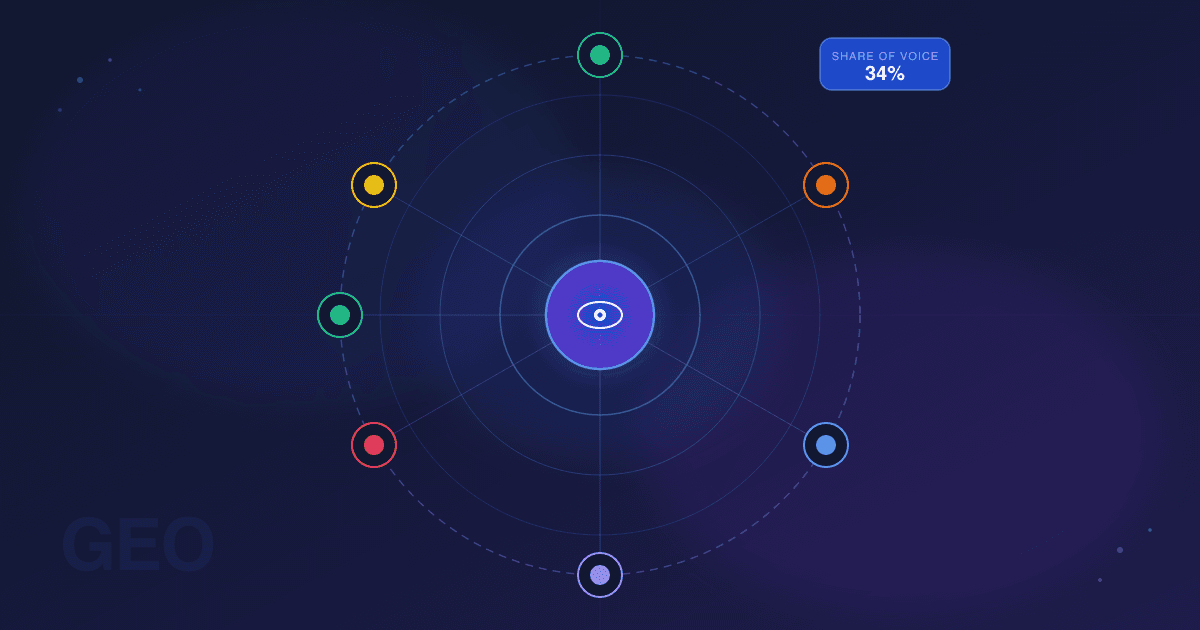
GEO is the practice of optimizing your brand to appear in LLM-generated answers. Here's why it matters and how to measure it.
Product Newsletter
Stay informed
Receive release notes, and workflow tips from SeenForAI.