Tips
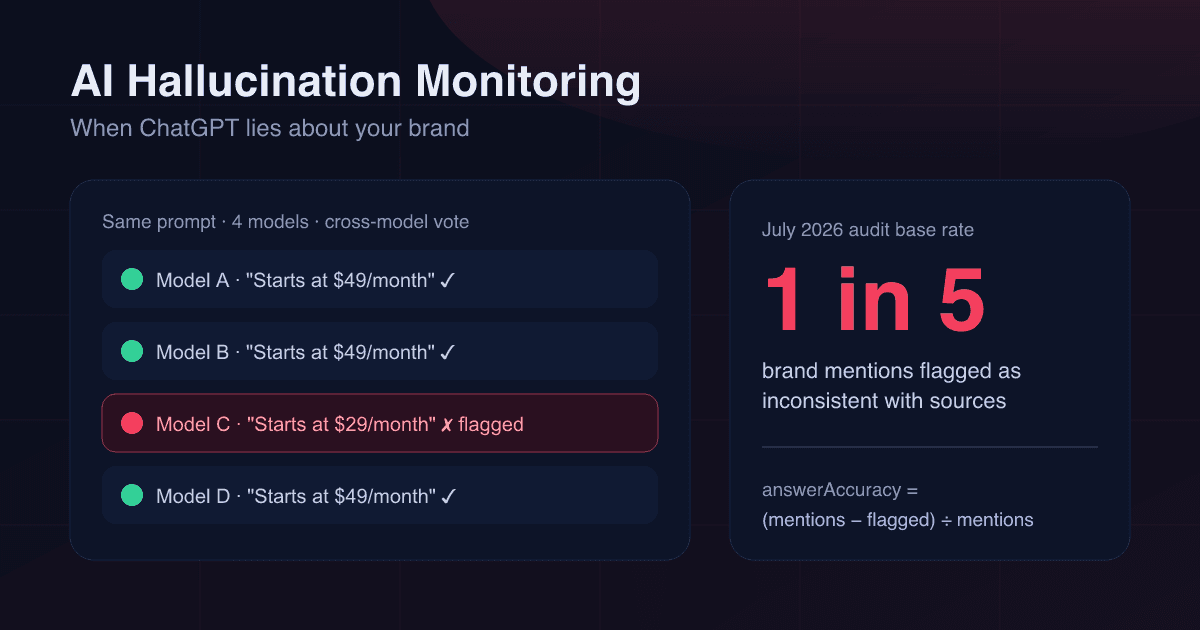
AI Hallucination Monitoring: When ChatGPT Lies About Your Brand
LLMs confidently invent pricing, features and even founders. How to detect brand hallucinations — and the multi-model voting method that verifies them.

Tips
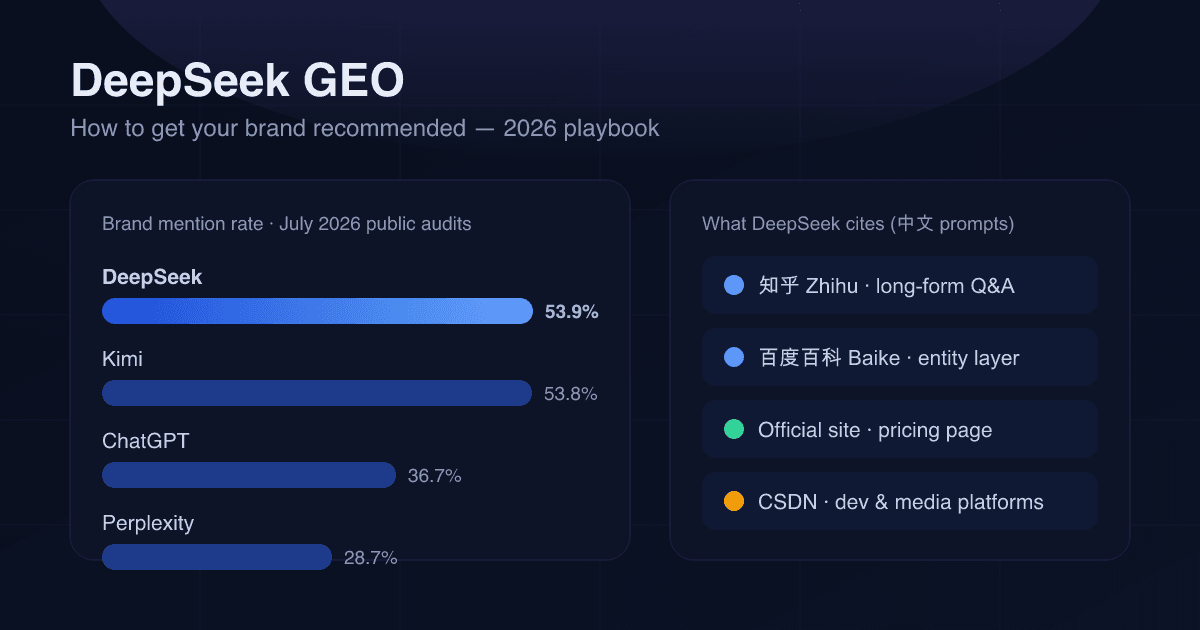
DeepSeek GEO: How to Get Your Brand Recommended (2026)
DeepSeek answers millions of product questions daily. Here's how it picks brands to recommend — and a step-by-step playbook to become one of them.
Tips
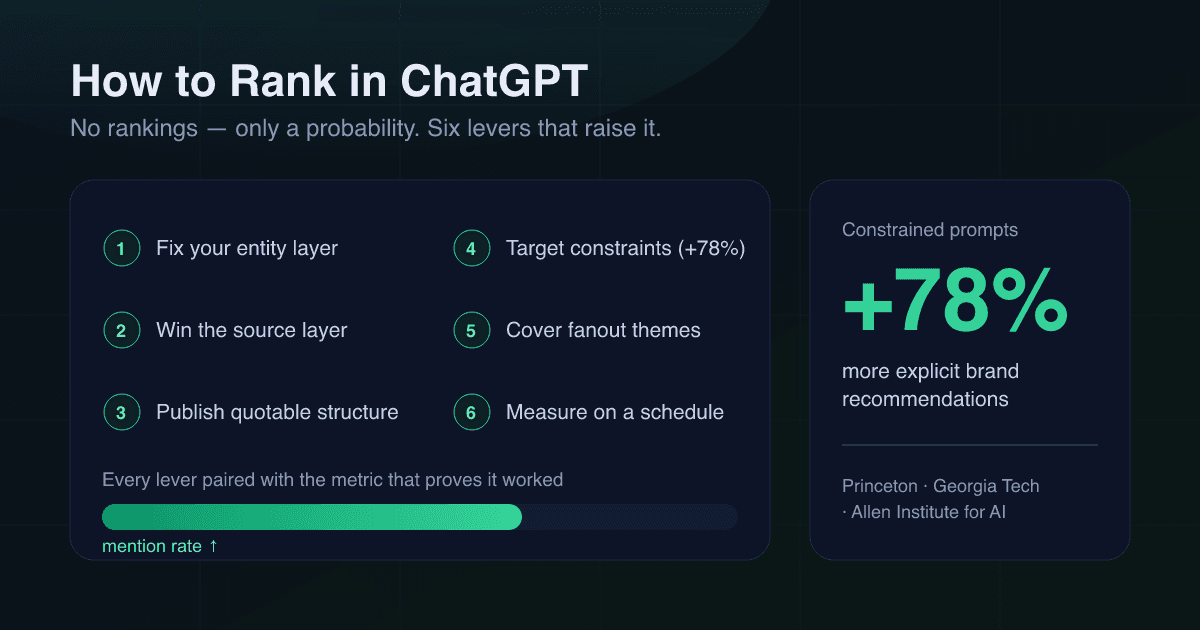
How to Rank in ChatGPT: A Measurable 6-Step Playbook (2026)
ChatGPT has no rankings — only a probability your brand gets named. Six levers that raise it, with data on what actually moves the needle.
Tips
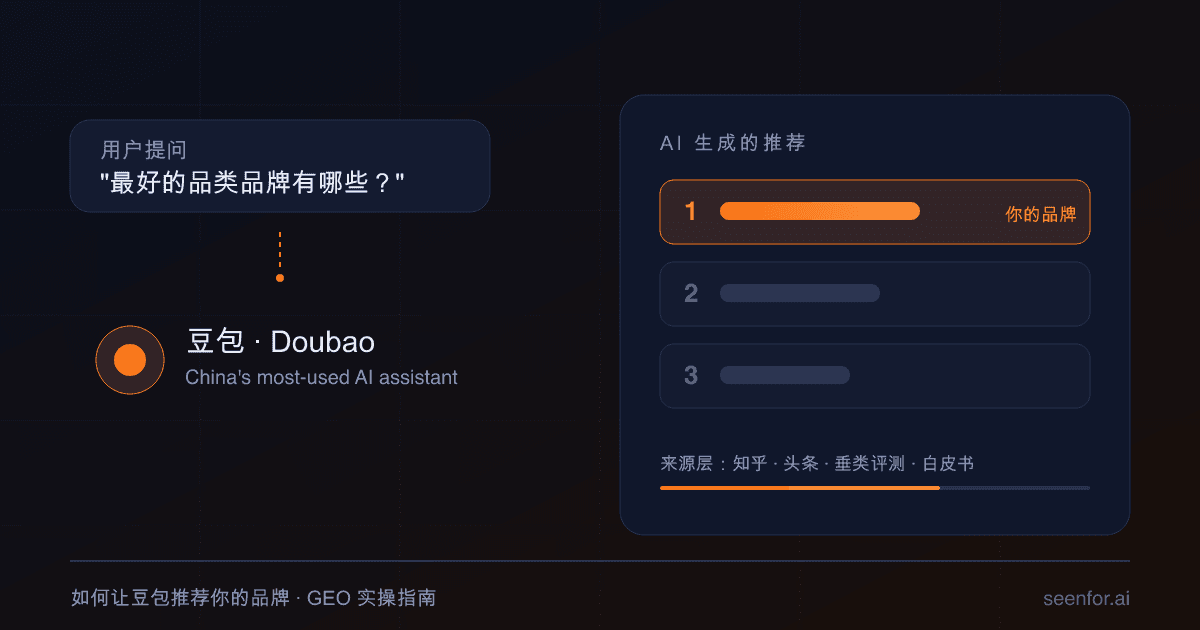
How to Get Doubao to Recommend Your Brand: A GEO Playbook
Doubao is China's most-used AI assistant. Here's how it picks the brands it recommends, which sources it trusts, and five actions brands can take.
Tips
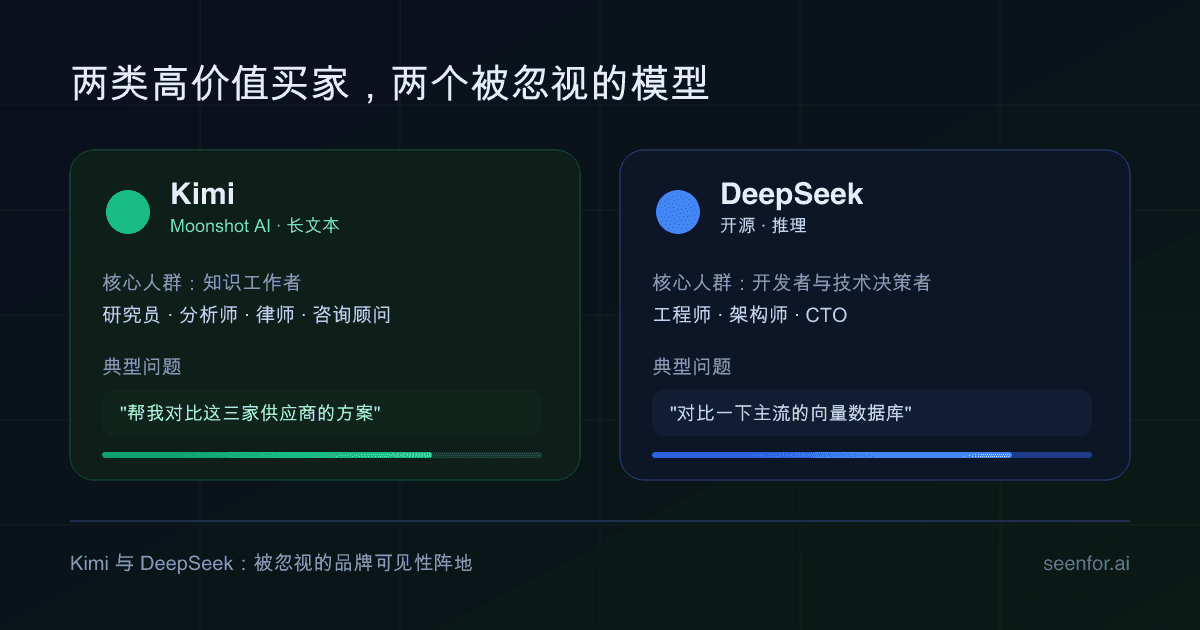
Kimi and DeepSeek: The Brand Visibility Channels Nobody Watches
Kimi owns knowledge workers; DeepSeek owns developers and technical decision-makers. Two high-value audiences are making buying decisions through them — and almost no brand is measuring it.
Tips
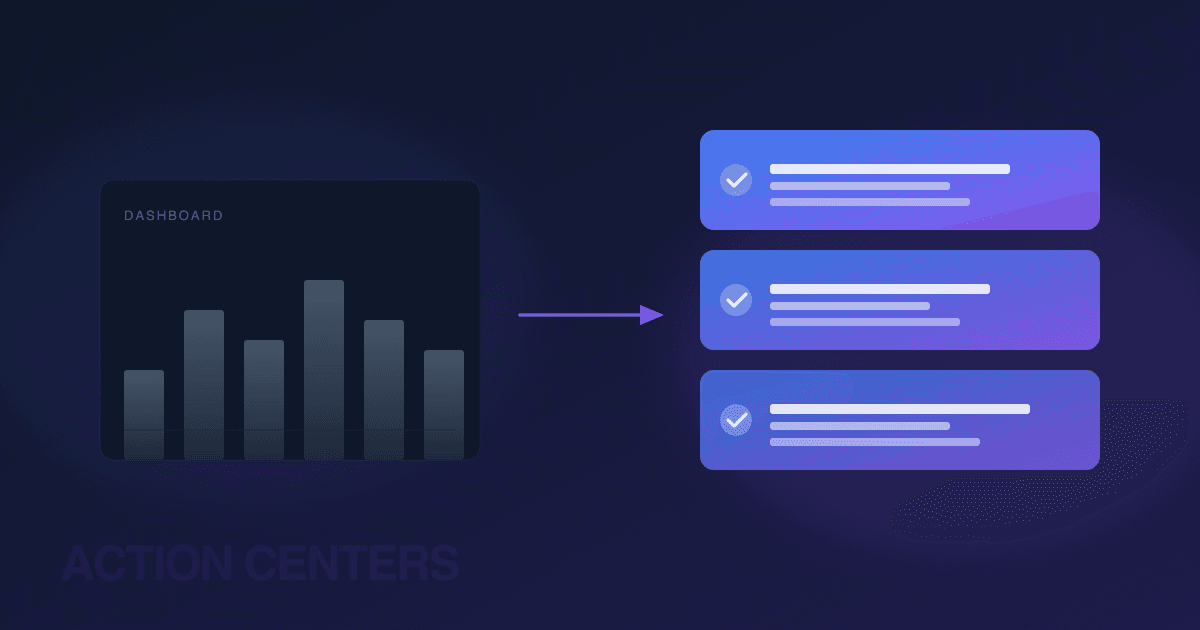
From Dashboards to Action Centers: Where GEO Tooling Is Heading in 2026
First-gen GEO tools showed you what was broken. The next generation tells you what to publish to fix it. Here's how the industry is collapsing the gap between visibility insight and content workflow.
Tips
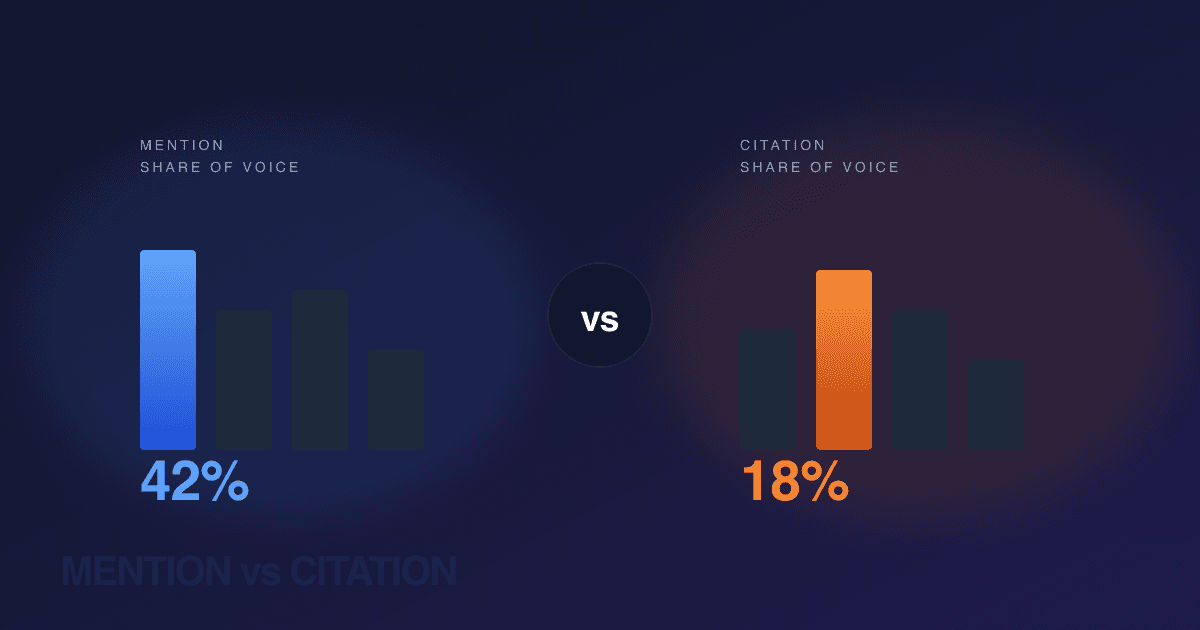
Mention vs Citation: The Share of Voice Split Most GEO Dashboards Get Wrong
ChatGPT mentions your brand in prose but cites your competitor's docs underneath. Which signal counts? Both — but they tell you completely different things, and most dashboards only show one.
Tips
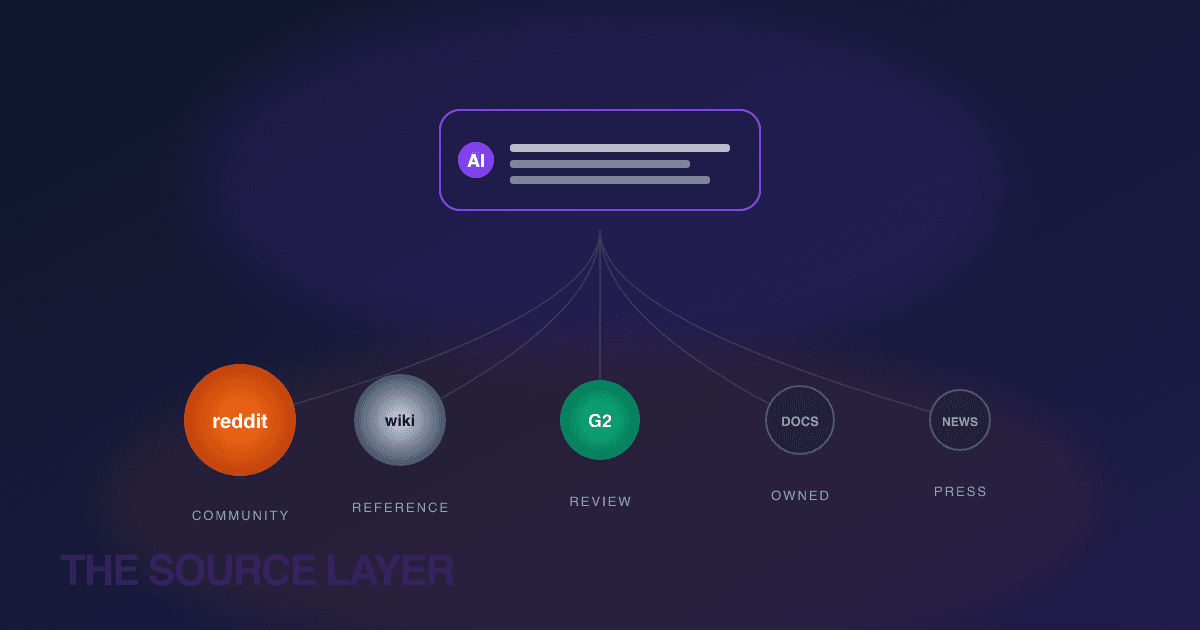
Reddit, Wikipedia, and the Hidden Source Layer Shaping AI Answers
When ChatGPT recommends a vendor, look at what it cites. For most B2B categories the citation list is dominated by Reddit threads, Wikipedia infoboxes, and a handful of comparison sites — not the product pages brands spend most of their time on.
News
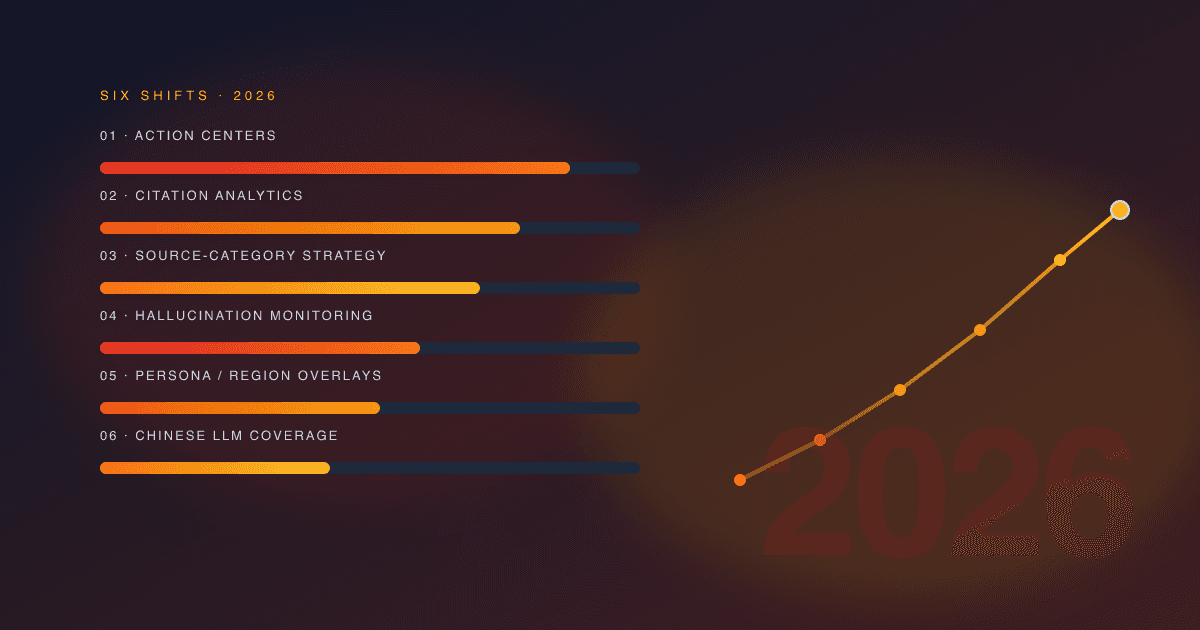
State of GEO 2026: Six Industry Shifts Shaping Brand AI Visibility
A year ago, "monitor my brand in ChatGPT" was a niche request. In 2026 it's a budget line. Here are the six shifts that defined the year for brands measuring AI visibility.
Tips
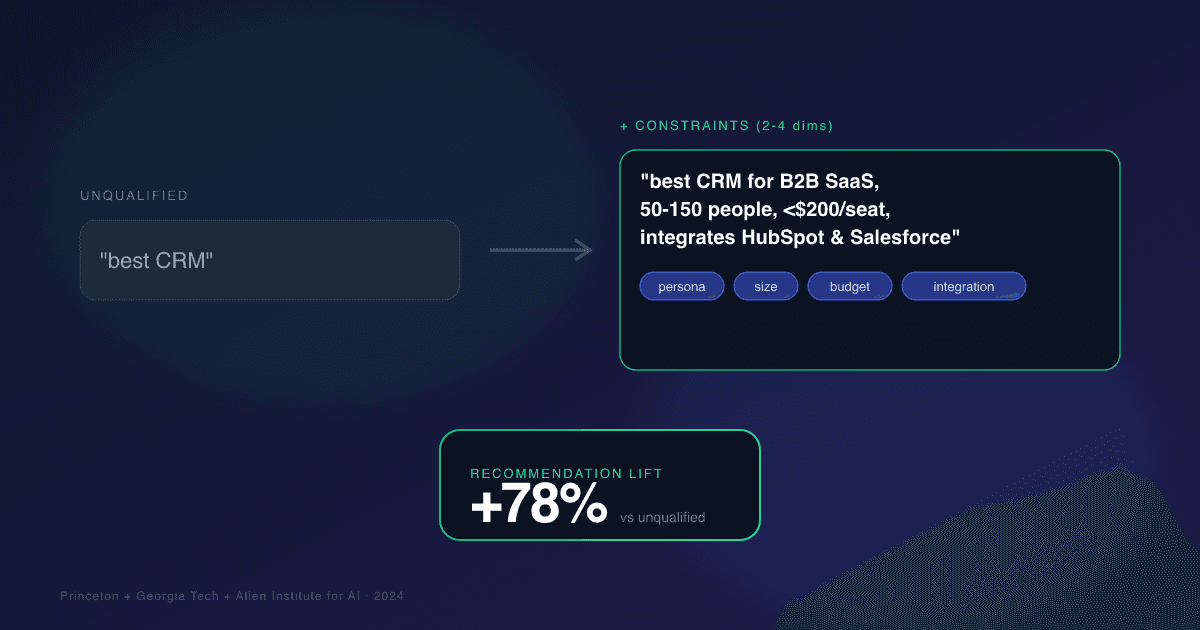
Constraint Injection: The Princeton Trick That Lifts AI Brand Recommendations 78%
A 2024 study from Princeton, Georgia Tech, and the Allen Institute for AI shows that adding 2-4 constraints to a prompt makes LLMs surface specific brand recommendations 78% more often. Here's how to use it.